The Greatest Gift of All Nativity Scene: A Designer's Guide
Unwrapping the Visual Character of This Nativity Scene Design
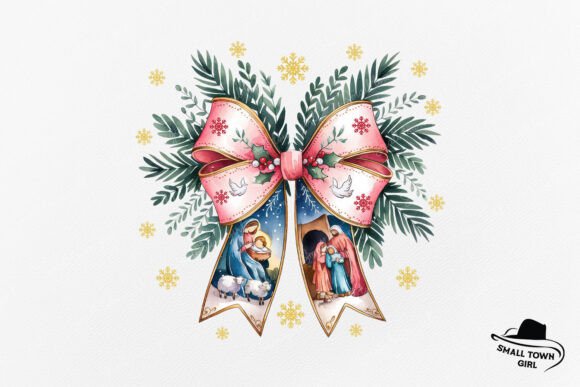
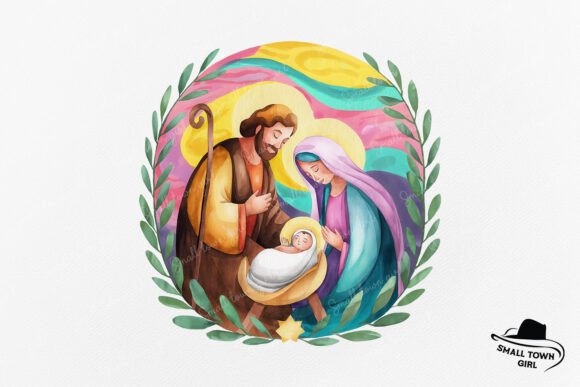
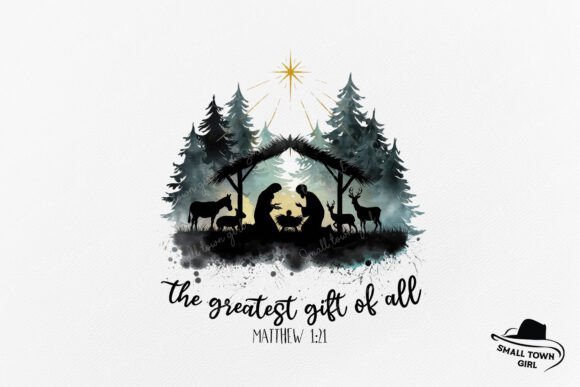
When you first encounter The Greatest Gift of All Nativity Scene, you immediately notice its thoughtful balance between reverence and accessibility. This isn't a stiff, overly traditional rendering—nor is it a simplified cartoon. Instead, it occupies a comfortable middle ground that feels both timeless and approachable. The composition typically features the classic nativity elements—Mary, Joseph, the manger, and the guiding star—rendered with clean lines and gentle warmth. The visual style leans toward a modern illustration aesthetic, with soft textures and subtle details that add depth without overwhelming the central message. It feels handcrafted rather than sterile, with a personality that conveys peace, hope, and sincerity. This makes it versatile enough for various applications while maintaining its core emotional resonance.
The appeal lies in its emotional clarity. Whether you're designing for a faith-based community, a family-oriented brand, or a personal project celebrating the season, this scene communicates its message without ambiguity. The figures have a gentle expressiveness, and the overall composition guides the eye naturally toward the central moment of the story. It’s a design asset that feels both meaningful and professionally executed—exactly what you need when creating something that needs to connect on a deeper level.
Where This Design Truly Shines: Practical Applications
Thinking about real-world use, The Greatest Gift of All Nativity Scene is a powerhouse for seasonal projects. Its high-resolution PNG format (3600×3600 pixels) means it scales beautifully for both small and large applications. Imagine it centered on a greeting card or thank you card—the detail holds up perfectly when printed. For entrepreneurs and small business owners, this is a goldmine. You can legally use it on print-on-demand products like t-shirts, hoodies, and mugs, creating a cohesive holiday product line without commissioning custom illustrations. The commercial license removes the guesswork, letting you focus on building your brand identity around a consistent, high-quality visual.
For digital creators and content marketers, the applications are just as rich. Use it as a hero image in an email marketing campaign about holiday sales or community events. Incorporate it into social media graphics for Instagram or Facebook posts—it’s visually striking enough to stop the scroll. Designers working on editorial design for church bulletins, holiday magazines, or community newsletters will find it adds instant thematic weight. Even for packaging design for artisanal goods or holiday gift sets, a subtle integration of this scene can elevate the perceived value and tell a story on the shelf.
- Print Products: Greeting cards, posters, canvas prints, scrapbooking layouts.
- Apparel & Merchandise: T-shirts, hoodies, tote bags, pillows, mugs.
- Digital & Editorial: Website banners, blog post graphics, digital planners, birthday invitations.
- Branding & Marketing: Seasonal logo variations, social media campaigns, email headers.
Making It Work: Design Strategy and Pairing
Integrating a detailed illustration like this into a project requires some thoughtful design strategy. First, consider visual hierarchy. This scene is a focal point—it’s not a background texture. Use it as the centerpiece of your layout and build supporting elements around it. Pair it with clean, modern typography to avoid a cluttered look. A simple sans serif font for body text or a classic serif font for headlines can provide beautiful contrast, letting the illustration’s artistry stand out. Avoid overly decorative script fonts or handwritten fonts that might compete for attention; let the scene do the talking.
For brand consistency, think about color. Pull a few key hues from the illustration—a warm gold, a deep blue, a soft earth tone—and use them throughout your project’s palette. This creates a cohesive look across your web design, print materials, and merchandise. When using it for logo design or a brand mark, consider isolating a single element—the star, the manger, a shepherd—to create a simpler, more versatile icon that works at small sizes while still connecting to the full scene.
Finally, always test. Place the design on a mockup of your final product—whether that’s a hoodie, a mug, or a website hero section. Check the readability of any overlaid text and ensure the resolution holds at the intended print or display size. The beauty of a high-resolution, commercially licensed asset like this is that it gives you professional-grade raw material. Your job is to shape it into something that serves your project’s specific goals, respects the audience, and ultimately, feels authentic to your creative vision.